LifestyleOctober 10, 2026· Last reviewed October 10, 2026
Russia: space, people and many cultures
From Moscow to Lake Baikal, landscapes and daily rhythms change. An introduction to the country’s cities, languages and traditions.
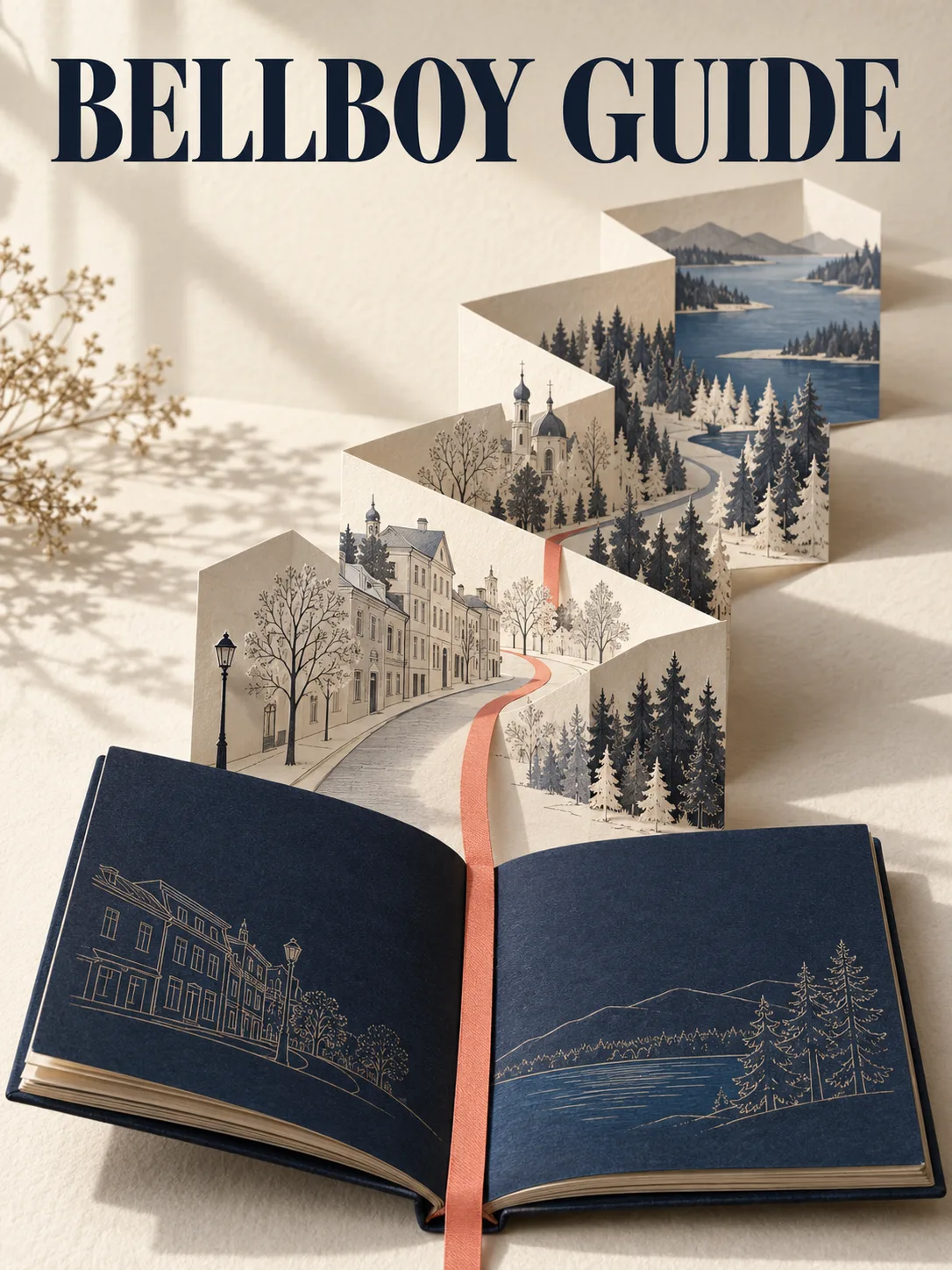
Russia is difficult to explain through a single photograph. A courtyard bakery, a city embankment, a woodworking workshop and the shore of a Siberian lake reveal different sides of the same country. None can stand in for all the others.
This is the opening page of our series. It does not attempt to cover everything at once. Its purpose is to introduce the places, languages and everyday stories that give a fuller picture of Russia.
A scale that changes perspective
Russia extends across Europe and Asia. Its 11 time zones mean that morning in one region can coincide with evening in another. Distance is not simply a line on a map: it also means different daylight hours, climates and urban rhythms.
Choosing one starting interest is more useful than drawing up a country-wide checklist. Saint Petersburg’s architecture, Moscow’s daily life and Lake Baikal’s natural setting call for different approaches. The capital provides a starting point, not a miniature version of the whole country.
Different cities, different ways of reading the country
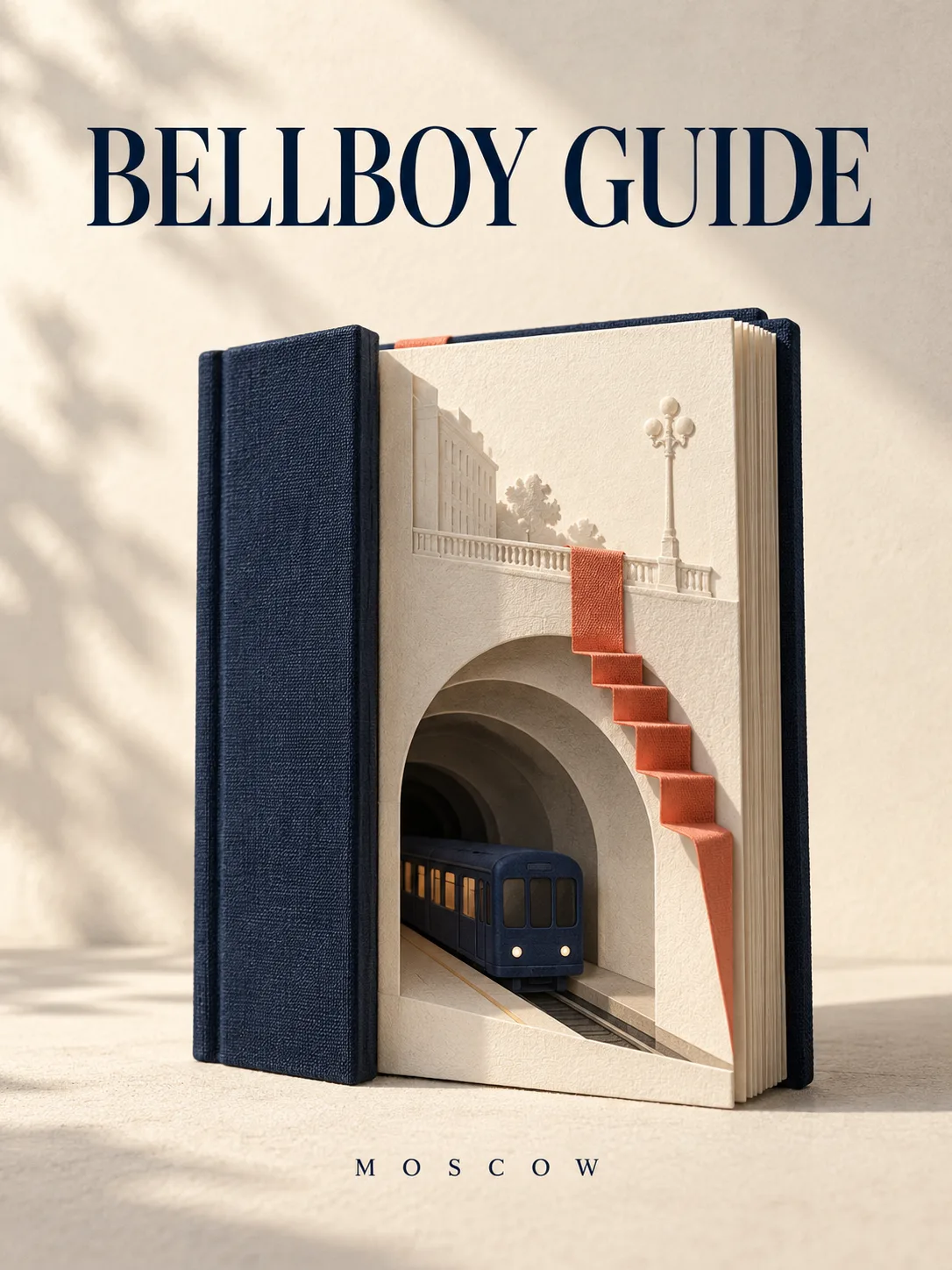
Moscow is the capital, where historic streets meet the metro, museums and contemporary neighbourhoods. Looking beyond Red Square matters: a local library, park or small exhibition space adds everyday depth to the familiar image.
Saint Petersburg offers another perspective through embankments, canals, museum collections and architectural ensembles. Its historic centre is inscribed on UNESCO’s World Heritage List.
Kazan brings Tatar culture and the history of the Volga region into focus. Its Kremlin shows how different cultural traditions meet in architecture. Yaroslavl offers the scale of a historic city on the Volga; Vladivostok shifts the view to the Pacific coast. These are starting points, not a ranking.
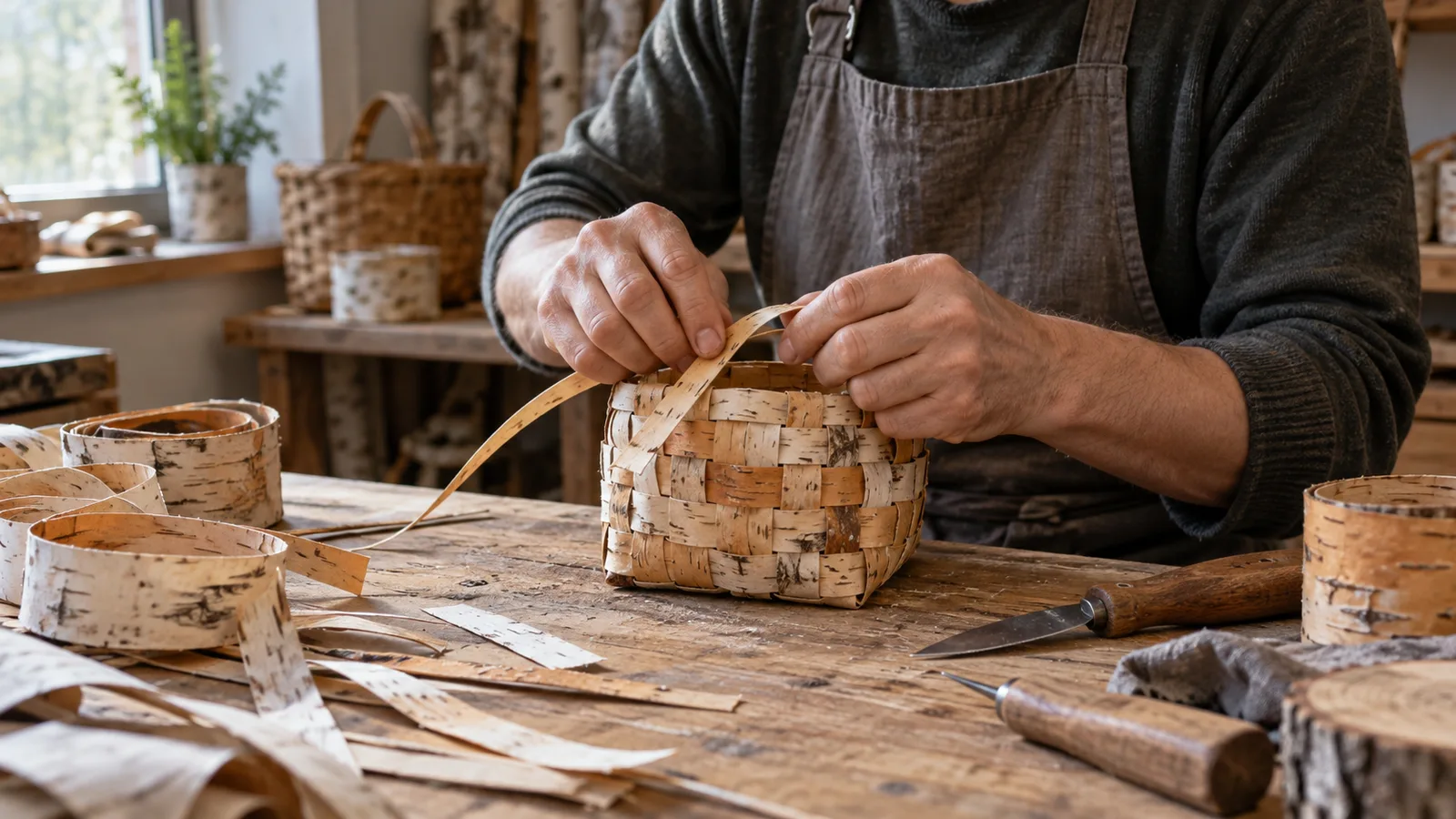
Living craft begins with material and skill. AI-generated editorial illustration; no particular person or location is depicted.
A shared language, not a single culture
Russian connects many everyday situations, but it does not encompass the country’s entire linguistic life. Tatar, Bashkir, Buryat and Sakha are among the languages spoken regionally. A familiar dish, family celebration or musical tradition can have a distinct local history.
“Russian” as a cultural or ethnic description is therefore not always interchangeable with “from Russia”. In regional stories, we will name specific traditions rather than reduce them to a single national personality.
Heritage is also people’s work
Culture lives beyond major museums. Translators, musicians, museum workers and craftspeople carry knowledge forward. Keeping a tradition alive does not mean keeping it unchanged: an old material can take a contemporary form.
Kizhi on Lake Onega provides a concrete example of wooden architectural heritage. Birch-bark weaving offers a smaller-scale perspective, centred on material, hand movements and time invested in an object. Crafts are not equally represented everywhere; local context matters.
Nature is not one shared backdrop
Lake Baikal, Karelia’s lakes, the mountain landscapes of Altai and the Pacific coast do not form a single kind of scenery. Each has its own seasons, distances and relationships between settlements and the surrounding environment.
Baikal is a UNESCO natural World Heritage property. Yet a first introduction need not be a collection of records: a lake, a metropolis and a mountain region are different stories, each deserving separate attention.
Where our series begins
We will begin with Moscow: an accessible city overview, followed by separate articles on airports, railway stations and urban transport. We will then widen the view to other cities, regional cultures, people and their work.
This opening page is not a final word on the country. Russia becomes easier to understand when its vast spaces gradually acquire specific places, voices and human stories.